In preparation
CZR-DK Series Catalog
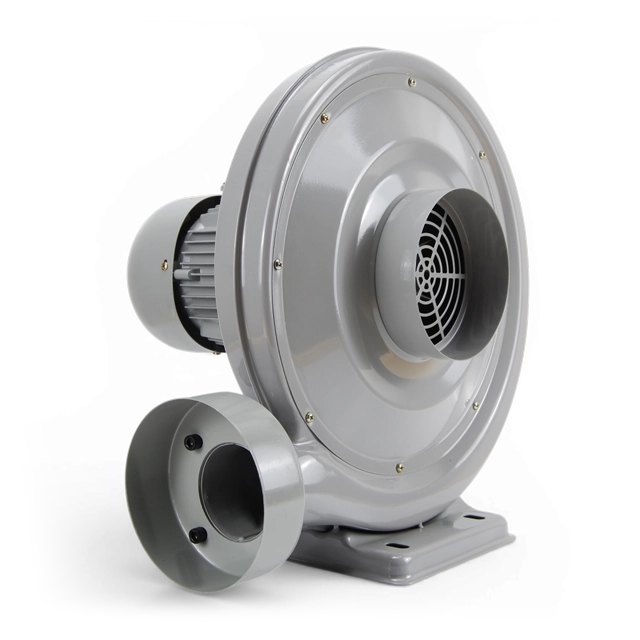
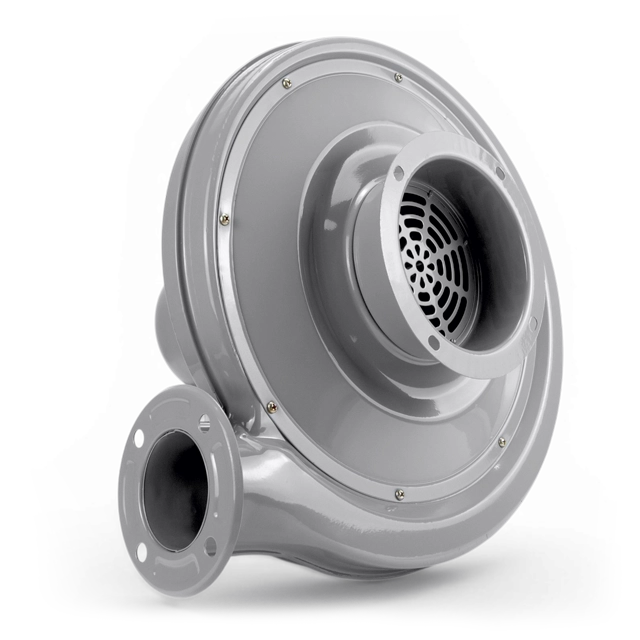
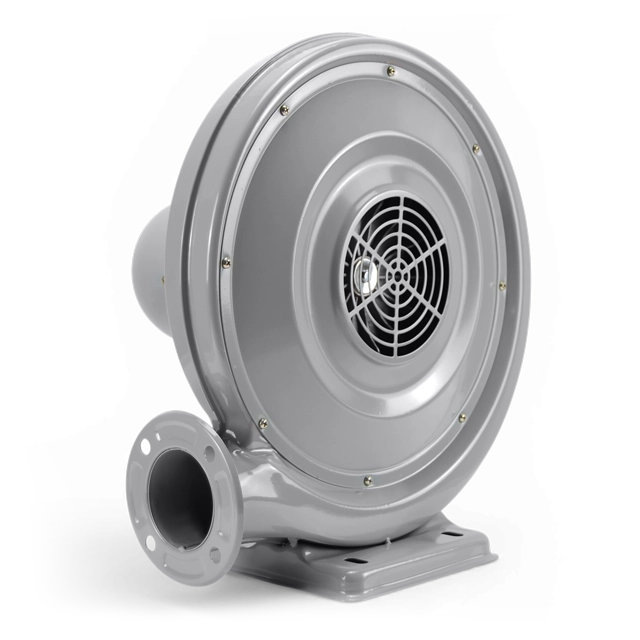
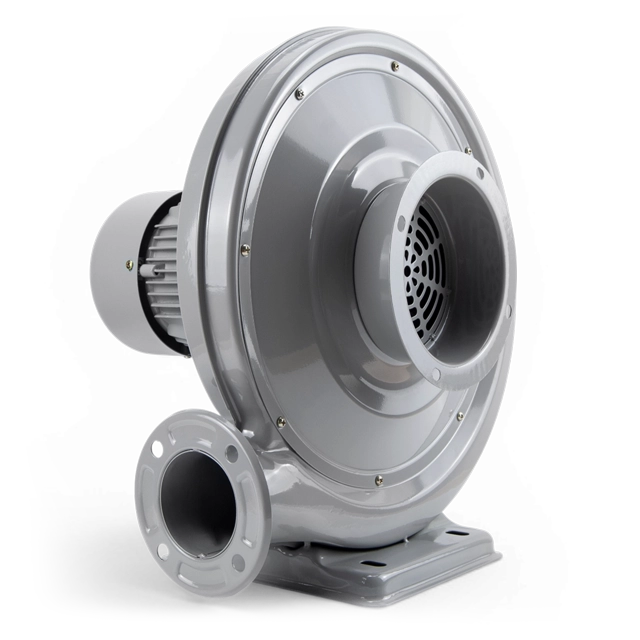
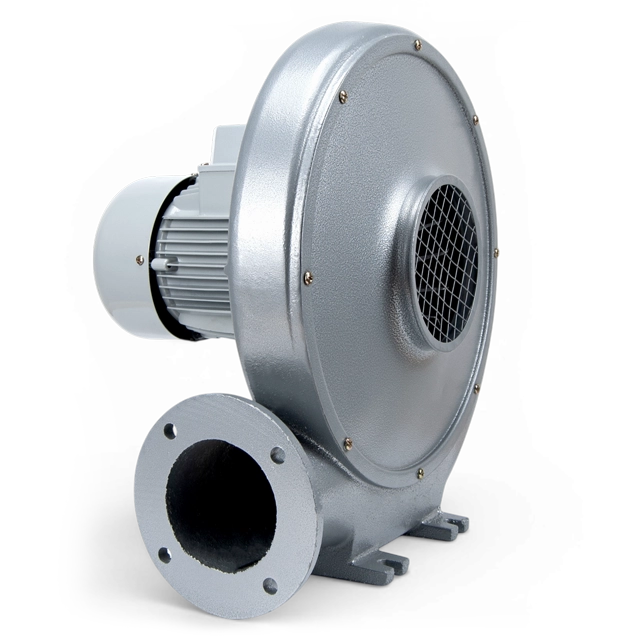
Laser exhaust, local extraction, and 150 mm duct support.

Downloads
Product catalogs and manuals are being reviewed for English use. Confirmed model parameter references are linked through product detail pages.
English catalogs are being prepared. To avoid inaccurate files, please use the product detail pages and contact form for confirmed information.
Laser exhaust, local extraction, and 150 mm duct support.
Sandblasting recovery, dust collection, and flanged ducting.
Kitchen air support, combustion air, and local cooling.
Automation airflow, adsorption, blowoff, cooling, and flanged connection.
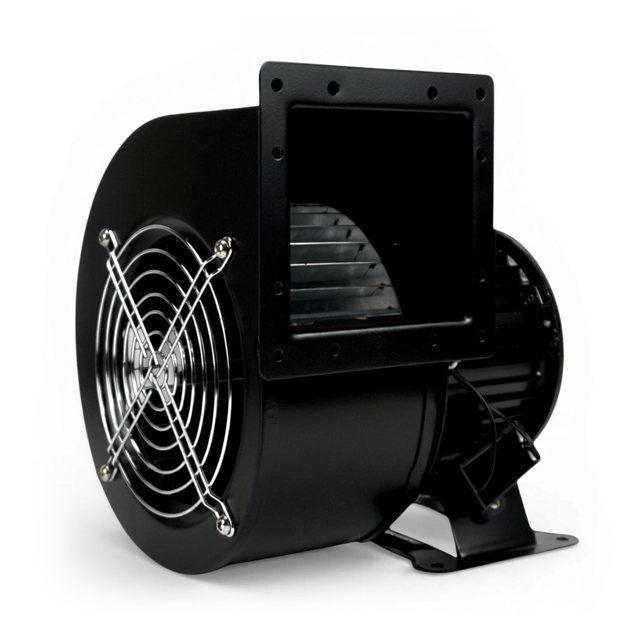
Aluminum housing for printing, light exhaust, and cooling.
Cooling, cabinet ventilation, and local exhaust support.
Parameter links point to confirmed model data already shown on product detail pages.
Laser exhaust, local extraction, and 150 mm duct support.
Sandblasting recovery, dust collection, and flanged ducting.
Kitchen air support, combustion air, and local cooling.
Automation airflow, adsorption, blowoff, cooling, and flanged connection.
Aluminum housing for printing, light exhaust, and cooling.
Cooling, cabinet ventilation, and local exhaust support.
Common questions around selection, parameters, and installation checks are listed here.
You can provide the application, installation space, duct length, whether continuous operation is required, site voltage, and rough airflow or pressure needs. If you have an old nameplate or installation drawing, that can also help with comparison.
Airflow is the amount of air moved per unit of time. Pressure is the ability to overcome duct and equipment resistance. In real selection, both should be considered together, rather than judging only by motor power.
The parameter table can be used for initial screening. The final model should still be confirmed according to operating conditions, ducts, installation method, running time, and the actual environment.
Check airflow direction, interface size, duct fixing method, and base hole position. Try to avoid blocked inlets or outlets and too many sharp duct bends, which may cause unnecessary airflow loss.