
Solutions / Industry Application
Sandblasting Equipment
Dust, abrasive recovery, and filtration resistance decide the blower direction.
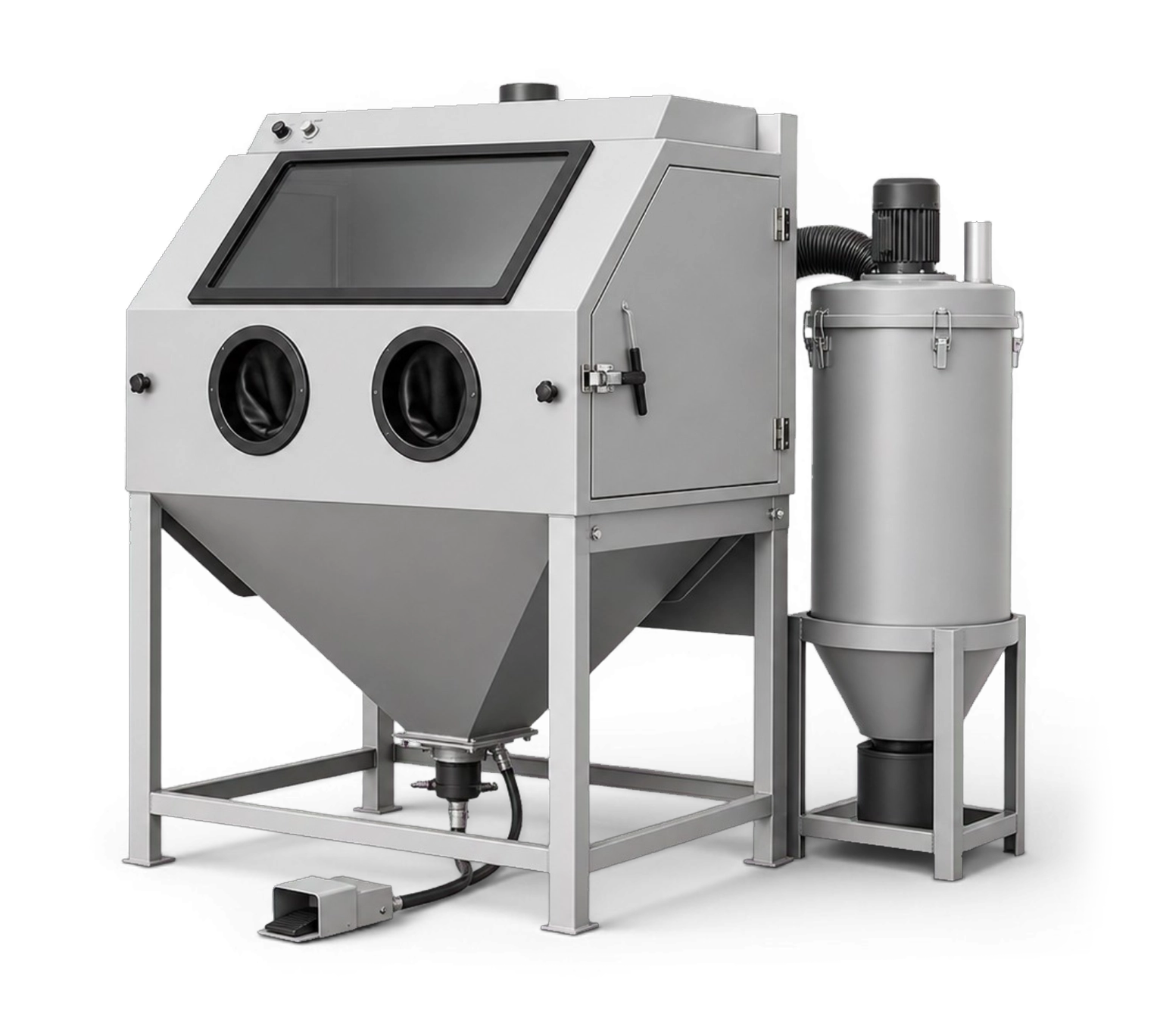
Sandblasting equipment needs steady negative pressure for dust control and abrasive recovery. Selection should consider dust load, recovery distance, filter resistance, duct layout, and interface form.
Airflow in sandblasting equipment is more demanding than simple exhaust. The process creates dust, fine particles, and rebounding abrasive. The cabinet needs stable negative pressure so dust does not escape, while the airflow must guide abrasive and dust toward recovery, separation, or filtration.
Selection starts with dust load and recovery distance. Long ducts, elbows, separators, bag filters, or cartridges all add resistance. As filters collect dust, resistance rises further, so the blower should not be sized only for a clean initial state. Pressure margin and maintenance access matter in daily operation.
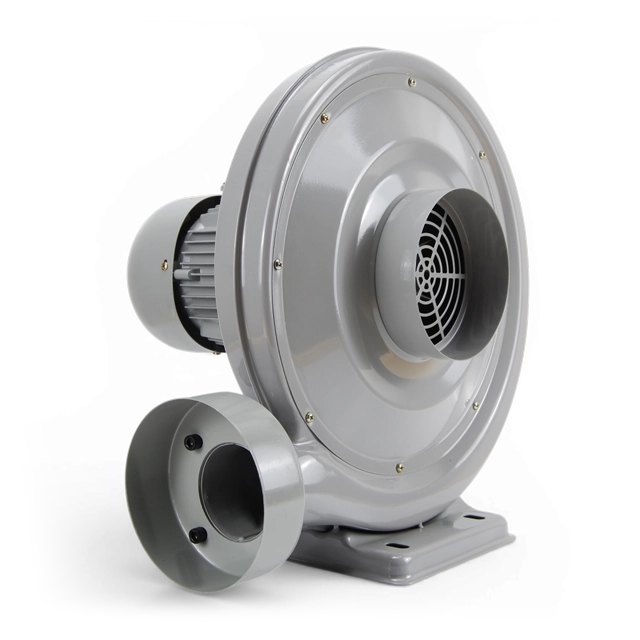
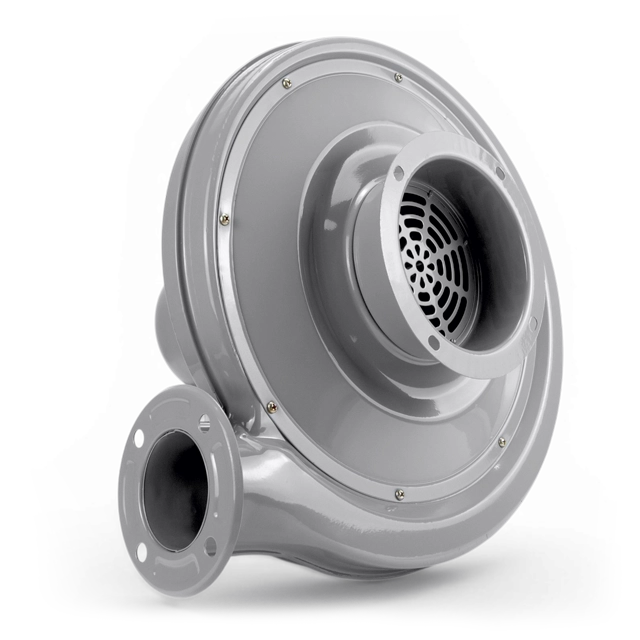
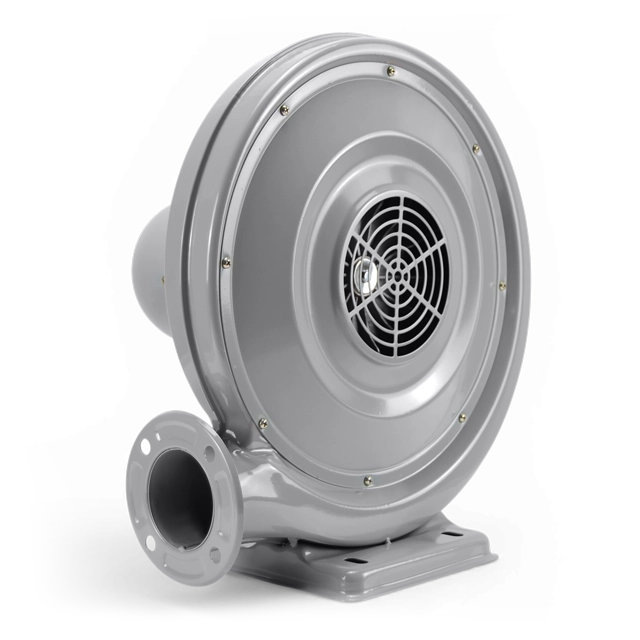
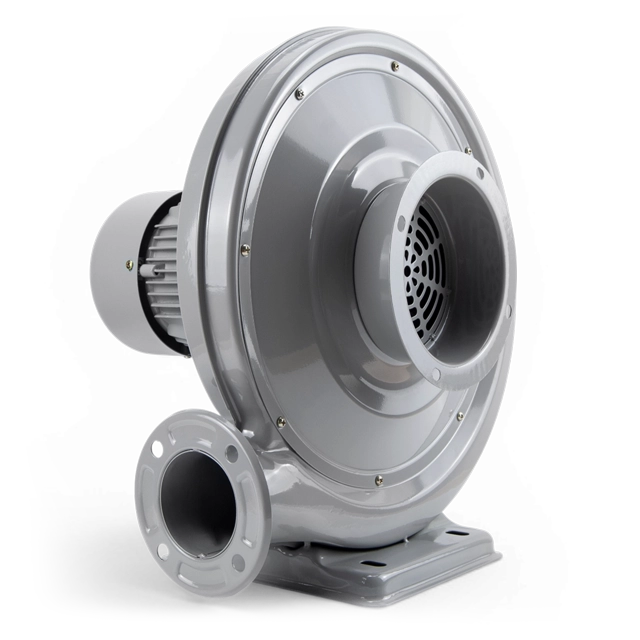
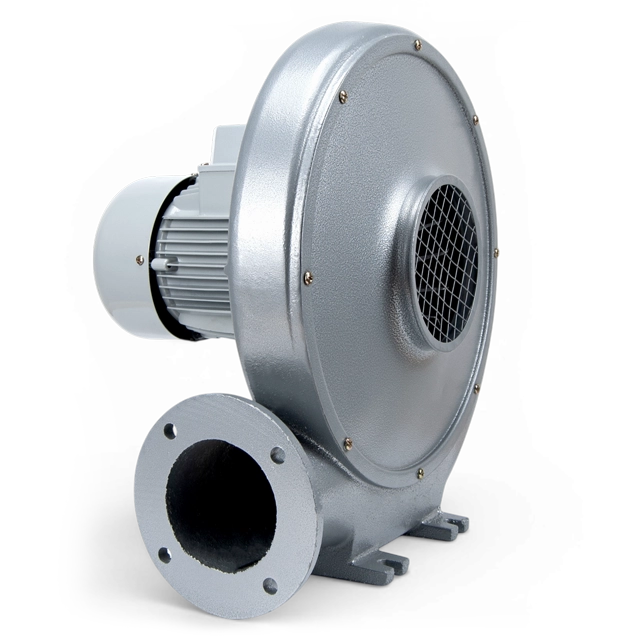
The CZR-PS Series is the preferred direction for this application. It is aimed at sandblasting, surface treatment, and dust recovery, with flanged connection for fixed ducts and suction points. The recommendation for sandblasting equipment is kept to CZR-PS first, then the exact specification can be checked against recovery distance, dust load, and filter resistance.
Also check the inlet size and duct route. A small suction opening may create high local resistance, while a distant opening may fail to capture dust. Reduce sharp bends and sudden reductions where possible, and keep maintenance space for filters, ducts, and the blower. Sandblasting dust affects the whole path over time.
For sandblasting equipment, the selection should balance cabinet negative pressure, abrasive recovery, filter resistance, and serviceability. CZR-PS is the main recommendation.