
Explore / Technical Research
Fan Efficiency
Real efficiency means moving useful air through the equipment with reasonable energy use.
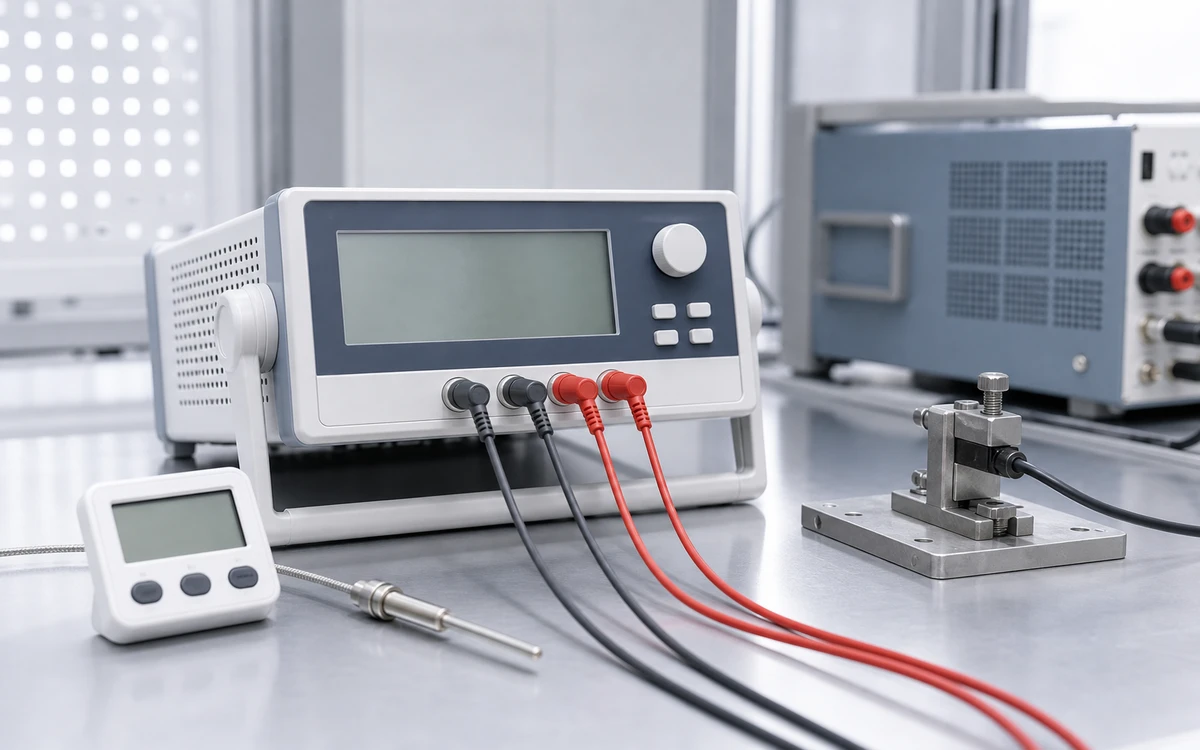
Fan efficiency is not only about high speed or a large airflow number. It depends on useful airflow in the installed equipment.
Efficiency should be judged by useful airflow, not only by speed or nominal airflow. In real equipment, the blower must work with ducts, heat sinks, filters, and enclosure structure.
A high-speed blower may still perform poorly if air does not pass through the heat source. Noise and power use may increase without improving the real cooling result.
A balanced blower uses reasonable energy to maintain stable airflow and pressure. Motor efficiency, impeller design, resistance, and installation position all matter.
For long-term use, efficiency appears in electricity cost, temperature stability, noise level, and maintenance frequency. The best choice is usually the one that fits the actual conditions, not simply the largest parameter.